
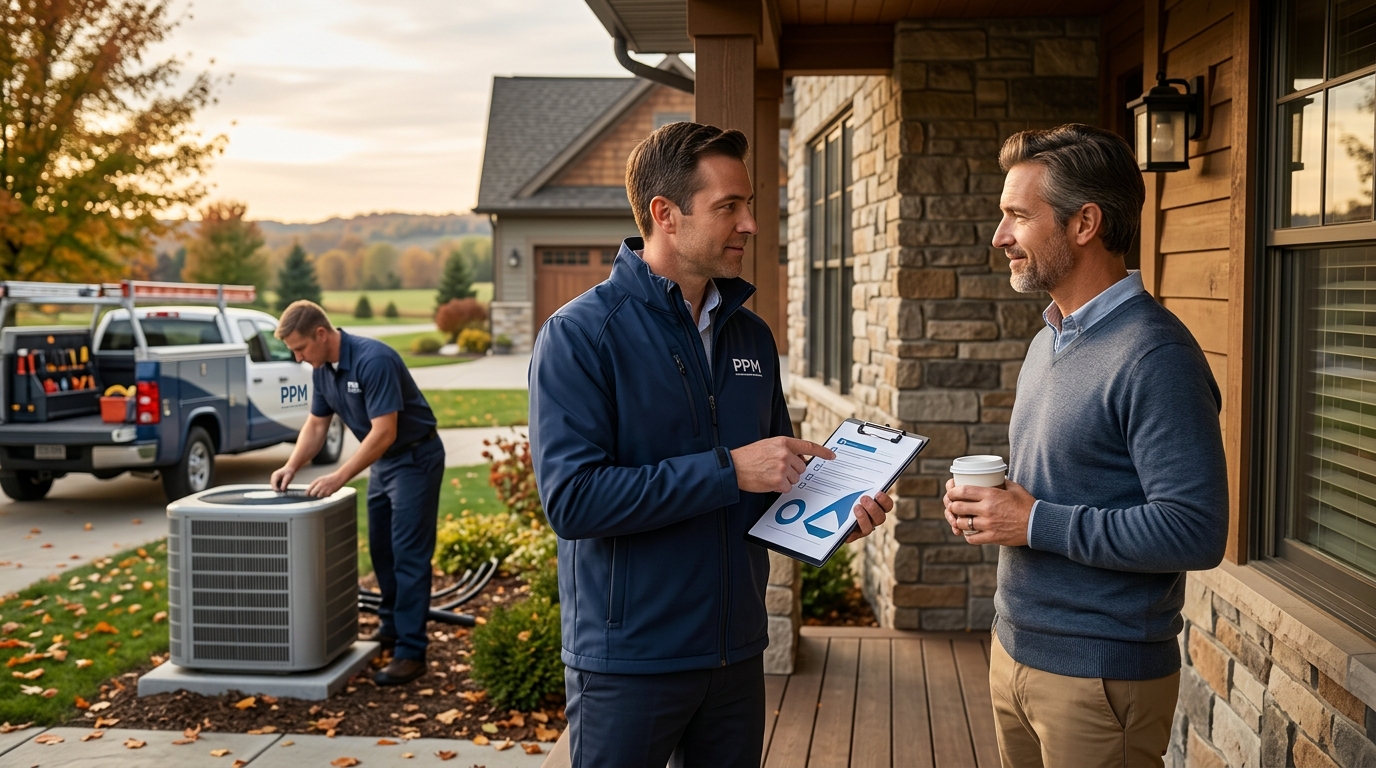
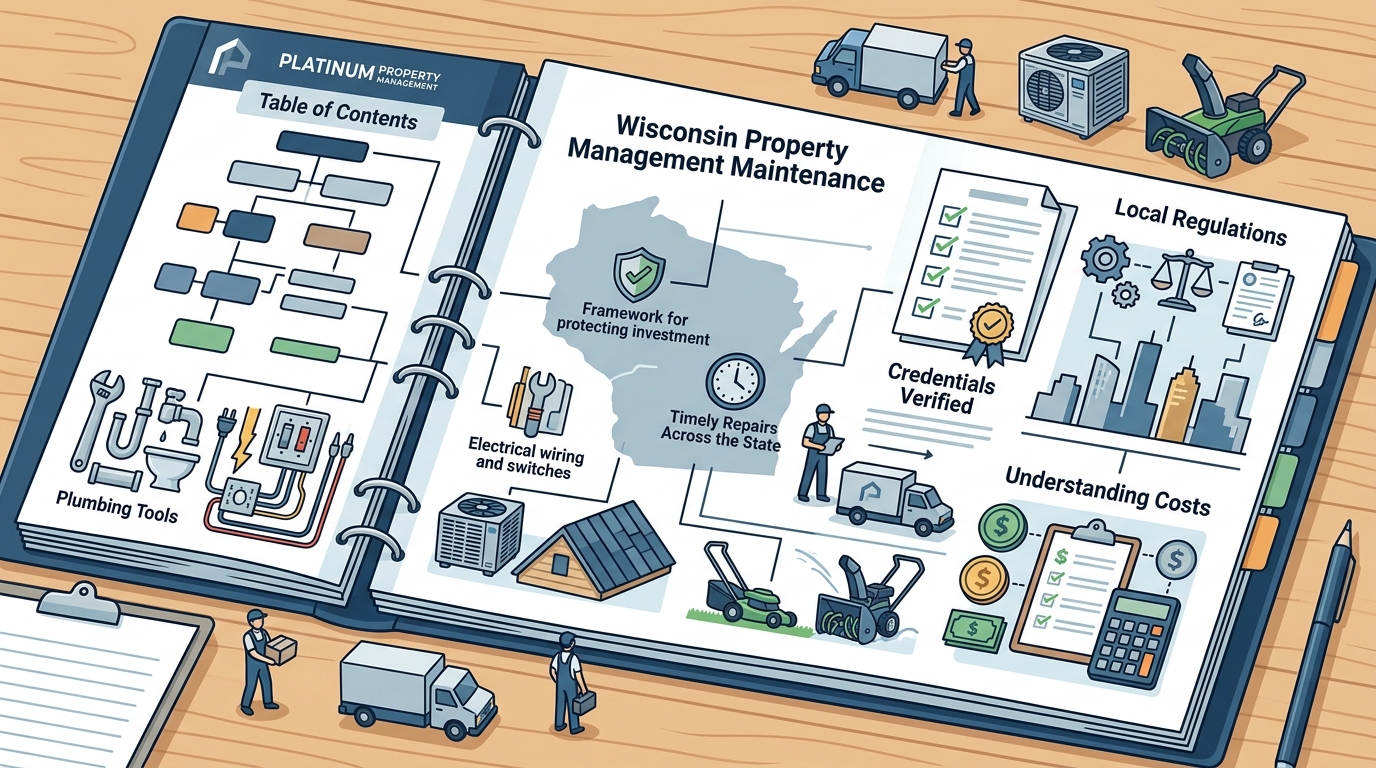
Platinum Property Management handles maintenance and repairs for Wisconsin rental owners through a dedicated in-house team and vetted vendor network. This guide covers how to choose a provider, verify credentials, understand costs, and navigate local regulations. It provides a step-by-step framework for protecting your investment and ensuring timely repairs across the state.
How to Choose a Provider
Choosing the right property management company requires looking beyond marketing claims. A reliable provider must have the operational capacity to handle repairs efficiently. You should prioritize firms that maintain an in-house maintenance team or a tightly controlled vendor network. This structure reduces communication gaps and speeds up response times. Platinum Property Management operates with a licensed broker and general contractor on staff, which adds a layer of technical oversight that many competitors lack. For additional details, review the .
Operational Capacity
Assess the provider's geographic reach. If your property is in a remote area, you need a company that can mobilize resources quickly. Look for teams that cover a wide radius or have established partnerships with local tradespeople. A provider that relies solely on distant subcontractors may face delays during peak seasons. For additional details, review the Customer Experience.
Technical Expertise
General contractors understand building systems in a way that administrative staff do not. When a provider has a contractor on staff, they can accurately diagnose issues and provide realistic cost estimates. This expertise prevents overcharging and ensures that repairs are done correctly the first time. For additional details, review the Frequently Asked Questions.
Questions to Ask Before Committing
Before signing a management agreement, you must ask specific questions about their maintenance protocols. These questions reveal how the company handles day-to-day operations. Do not accept vague answers. You need concrete details about response times, approval processes, and emergency handling.
Response Time Protocols
Ask how quickly they respond to non-emergency and emergency requests. A good provider will have defined timeframes for different types of issues. For example, a burst pipe requires immediate action, while a dripping faucet can wait 24 to 48 hours. Clarify who makes the decision to dispatch a technician.
Approval and Communication
Understand the approval process for repairs. Will you be contacted for approval before work begins? What is the threshold for automatic approval? Clear communication protocols prevent unauthorized spending and keep you informed of progress. Ask how often you will receive updates during a repair project.
Verifying Credentials and Claims
Property management is a regulated industry in Wisconsin. You must verify that any company you hire holds the necessary licenses. This step protects you from working with unlicensed operators who may not follow legal standards. Verification is a simple process that takes only a few minutes.
License Verification
Check the Wisconsin Department of Financial Institutions (DFI) website to confirm the company's license status. Ensure the license is active and in good standing. Also, verify the individual broker's license. A licensed broker is legally responsible for the management activities. If a company claims to be licensed but cannot provide a license number, do not hire them.
Insurance and Bonding
Ask for proof of liability insurance and bonding. This protects you if the management company or their vendors cause damage to your property. Verify the coverage limits and ensure the policy is current. A reputable firm will provide this documentation without hesitation.
The Maintenance Workflow
Understanding the maintenance workflow helps you set realistic expectations. A professional process follows a logical sequence from request to completion. This structure ensures that no step is skipped and that documentation is thorough.
Request Intake and Triage
The process begins when a tenant or owner submits a maintenance request. The management team triages the request to determine its urgency. They categorize it as an emergency, urgent, or routine issue. This classification dictates the response timeline and the type of technician dispatched.
Dispatch and Execution
Once triaged, the team dispatches a technician. For in-house teams, this is often a direct employee. For vendor networks, the provider coordinates with a trusted local contractor. The technician performs the repair and documents the work with photos. This documentation is crucial for insurance claims and future reference.
Completion and Reporting
After the repair is complete, the provider verifies the work. They ensure the issue is resolved and the property is safe. They then send a report to the owner detailing the work performed, costs incurred, and any recommendations for future maintenance. This transparency builds trust and keeps you informed.
Cost Drivers and Budgeting
Maintenance costs vary based on several factors. Understanding these drivers helps you budget effectively. You should expect to set aside a portion of your rental income for ongoing repairs and major replacements.
Property Age and Condition
Older properties typically require more frequent and costly repairs. A 50-year-old home will have more issues than a 10-year-old home. You should budget more for older properties to account for aging systems like plumbing, electrical, and HVAC.
Geographic Location
Costs can vary by region. Labor rates and material costs differ across Wisconsin. Urban areas may have higher labor costs, while rural areas may have longer travel times for technicians. A statewide provider can often negotiate better rates with vendors, passing savings to you.
Emergency vs. Routine
Emergency repairs often cost more due to after-hours premiums. Routine maintenance is generally less expensive. Scheduling regular inspections can prevent small issues from becoming costly emergencies. This proactive approach saves money in the long run.
Common Mistakes to Avoid
Many property owners make mistakes that lead to poor maintenance outcomes. Avoiding these pitfalls can save you time and money. Awareness of common errors helps you hold your provider accountable.
Ignoring Small Issues
Small problems often escalate into major damage if ignored. A minor leak can cause significant water damage and mold growth. Addressing issues promptly prevents costly repairs. Encourage your provider to prioritize early intervention.
Lack of Documentation
Without proper documentation, it is difficult to track repairs and costs. Ensure your provider maintains detailed records of all work performed. This documentation is essential for tax purposes and insurance claims. It also helps you identify recurring issues that may indicate a larger problem.
Alternatives to Full-Service Management
Full-service property management is not the only option. You can consider partial management or self-management. Each alternative has its own advantages and disadvantages.
| Option | Pros | Cons |
|---|---|---|
| Full-Service Management | Comprehensive support, professional oversight, time savings | Higher monthly fees |
| Partial Management | Lower cost, more control | Requires more owner involvement |
| Self-Management | No management fees, full control | Time-intensive, legal risk, no professional support |
Full-service management is ideal for owners who want to be hands-off. It provides a single point of contact for all property issues. Partial management may suit owners who want to handle some tasks themselves. Self-management is only recommended for experienced investors with ample time.
Handling Specific Property Scenarios
Different property types present unique maintenance challenges. Understanding these scenarios helps you tailor your management strategy. Each situation requires a specific approach to ensure optimal outcomes.
Single-Family Homes
Single-family homes require attention to exterior maintenance. Roofs, siding, and landscaping need regular care. A provider with in-house landscaping and snow removal services can handle these tasks efficiently. This integrated approach ensures that all aspects of the property are maintained consistently.
Multi-Family Properties
Multi-family properties have shared systems that require coordinated maintenance. HVAC, plumbing, and electrical systems serve multiple units. A provider with technical expertise can manage these complex systems effectively. They can schedule maintenance to minimize disruption to tenants.
Vacation and Second Homes
Vacation homes require seasonal preparation. Winterization and spring opening are critical tasks. A provider with estate management experience can handle these seasonal transitions. They ensure that the property is protected during off-seasons and ready for use when you return.
Legal Rules and Tenant Protections
Wisconsin law provides specific protections for tenants and obligations for landlords. Understanding these rules is essential for compliant property management. Failure to follow these rules can result in legal liability and financial penalties.
Habitability Requirements
Landlords are required to maintain properties in a habitable condition. This includes working heat, hot water, and safe electrical systems. You must address maintenance issues promptly to comply with these requirements. A professional management company ensures that your property meets these legal standards.
Retaliation Prohibitions
Wisconsin Local Specifics
Wisconsin has unique environmental and regulatory factors that affect property maintenance. Understanding these local specifics helps you prepare for seasonal challenges. A statewide provider with local expertise can navigate these factors effectively.
Winter Weather
Wisconsin winters are harsh and can cause significant damage to properties. Frozen pipes, roof ice dams, and snow load are common issues. Winterization is a critical task that must be performed correctly. A provider with local experience knows the best practices for protecting properties during winter.
Regional Variations
Different regions of Wisconsin have different maintenance needs. Northern Wisconsin faces colder temperatures and heavier snowfall. Southern Wisconsin may have different soil conditions that affect foundations. A provider with statewide coverage can tailor their approach to each region's specific needs.
Timing and Seasonal Considerations
Timing is crucial for effective property maintenance. Scheduling tasks at the right time of year can prevent problems and save money. A proactive approach to maintenance ensures that your property is always in good condition.
Spring and Summer
Spring is the ideal time for exterior maintenance. Inspect roofs, siding, and landscaping. Address any winter damage before the growing season begins. Summer is a good time for HVAC maintenance to prepare for peak cooling demand.
Fall and Winter
Fall is the critical season for winterization. Insulate pipes, clean gutters, and prepare the HVAC system for heating. Winter requires ongoing monitoring for ice dams and snow load. A provider with 24/7 emergency response can handle winter issues promptly.
Long-Term Results and Outcomes
Effective property management yields measurable long-term results. These outcomes justify the cost of professional management. You can expect improved property value, higher tenant retention, and reduced stress.
Property Value Preservation
Regular maintenance preserves and enhances property value. Well-maintained properties command higher rents and attract better tenants. They also sell for higher prices when you decide to exit. A professional management company ensures that your investment retains its value over time.
Tenant Retention
Responsive maintenance leads to higher tenant satisfaction. Satisfied tenants are more likely to renew leases and refer others. This reduces turnover costs and vacancy periods. A provider with a strong maintenance track record can help you achieve high retention rates.
Key Takeaways
- Choose a provider with in-house technical expertise and a vetted vendor network.
- Verify licenses and insurance before signing a management agreement.
- Understand the maintenance workflow and approval processes.
- Budget for maintenance based on property age and location.
- Avoid common mistakes like ignoring small issues and lacking documentation.
- Consider the pros and cons of full-service versus partial management.
- Comply with Wisconsin habitability and non-retaliation laws.
- Plan maintenance around seasonal changes to prevent damage.
Frequently Asked Questions
How quickly should a property manager respond to maintenance requests?
Emergency requests should be addressed immediately. Non-emergency requests should be addressed within 24 to 48 hours. The specific timeframe depends on the urgency of the issue.
Do I need to approve every repair?
How do I verify a property manager's license?
Check the Wisconsin Department of Financial Institutions website. Search for the company and the individual broker. Ensure the license is active and in good standing.
What is the cost of property management in Wisconsin?
Costs vary based on the scope of services and property type. Full-service management typically costs a percentage of monthly rent. Maintenance costs are separate and depend on the specific repairs needed.
Can a property manager handle winterization?
Yes, many property managers offer winterization services. This includes insulating pipes, cleaning gutters, and preparing HVAC systems. A provider with local experience is best suited for this task.
What happens if a repair is not done correctly?
A reputable provider will correct the work at no additional cost. They should stand behind their work and ensure that the issue is resolved. Check the provider's warranty policies before signing.
How do I choose between full-service and partial management?
Consider your time availability and experience. Full-service management is ideal for hands-off owners. Partial management suits owners who want to handle some tasks themselves. Evaluate your needs and budget before deciding.
What are the legal requirements for property maintenance in Wisconsin?
Landlords must maintain properties in a habitable condition. This includes working heat, hot water, and safe electrical systems. They must also avoid retaliating against tenants for filing maintenance requests.