

Common Mistakes Wisconsin Property Managers Make With Statewide Operations
Managing rental properties across Wisconsin requires more than just local knowledge; it demands a strategic approach to logistics, compliance, and tenant relations. According to recent industry data, housing affordability challenges have intensified the need for professional management, yet many operators still struggle with the complexities of scaling operations. Property owners often underestimate the operational friction that arises when managing assets outside their immediate home base. This article outlines the critical errors that can erode profitability and damage tenant satisfaction in the Badger State.
The Myth of Remote Management
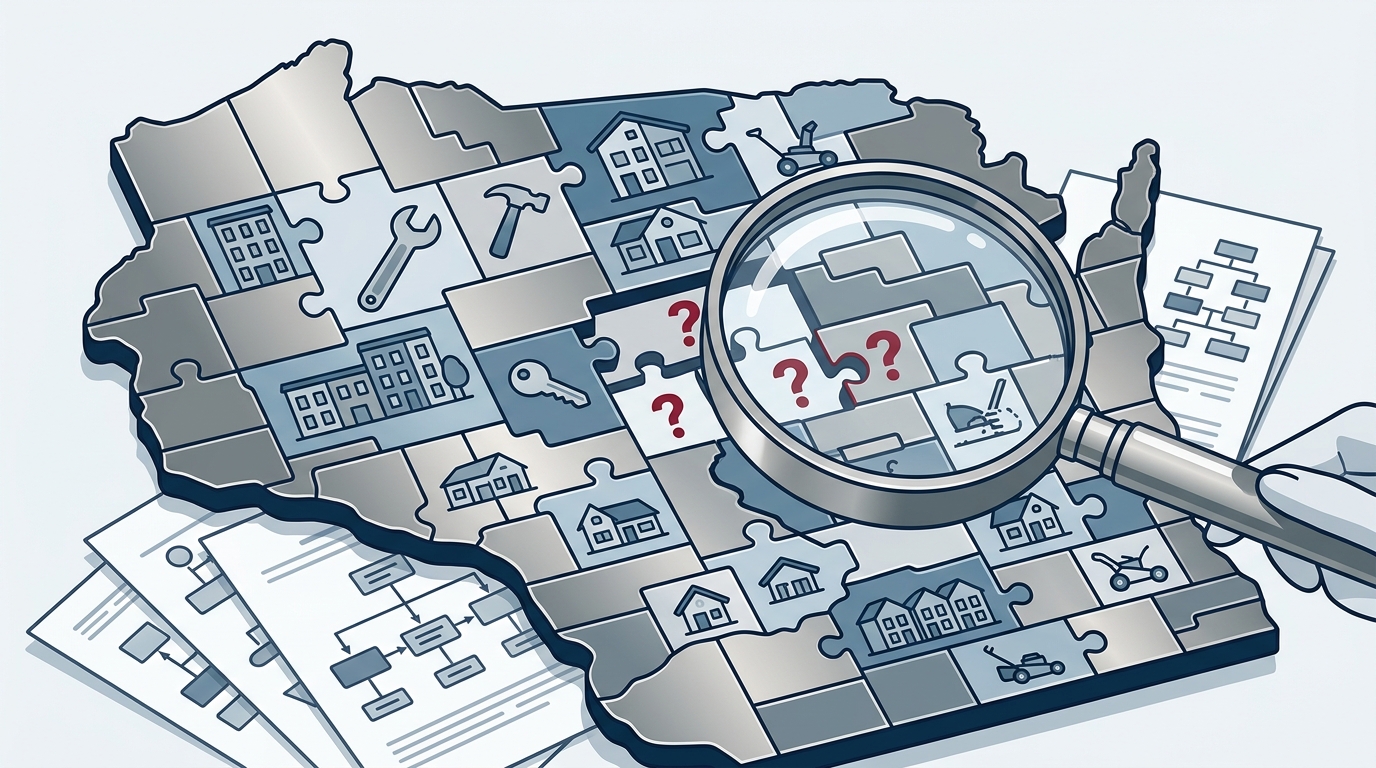
One of the most frequent errors is assuming that property management is entirely location-agnostic. While technology has bridged many gaps, the physical reality of Wisconsin's diverse geography cannot be ignored. A manager operating from a central hub may lack the nuanced understanding of micro-markets in rural versus urban areas. For instance, rental demand in Madison differs significantly from opportunities in Eau Claire or Green Bay.
Platinum Property Management addresses this by maintaining a statewide operational presence. This ensures that every property, regardless of its specific county, receives localized attention. Remote management often leads to delayed responses to critical issues, which can escalate minor problems into major financial liabilities. Local expertise is not just a convenience; it is a fundamental requirement for preserving asset value.
Neglecting Maintenance Logistics
Maintenance is the backbone of property retention. When managers fail to coordinate efficient repair networks, costs skyrocket. A common mistake is relying on a single vendor for all repairs, which creates bottlenecks during peak seasons. In Wisconsin, seasonal variations such as winter snow removal and summer lawn care require specialized, timely interventions.
Effective management requires a vetted network of local contractors. Professional maintenance services ensure that issues are resolved quickly and correctly. Without this infrastructure, property managers risk higher long-term costs due to deferred maintenance and increased wear and tear. Proactive upkeep is far more cost-effective than reactive repairs.
Inadequate Tenant Screening Protocols
Screening tenants is the first line of defense against property damage and payment defaults. Many managers cut corners by using generic, low-cost screening tools that do not provide comprehensive background checks. This oversight can lead to evictions, which are costly and time-consuming processes.
Comprehensive screening involves verifying income, checking credit history, and contacting previous landlords. According to housing market reports, tenant stability is a key driver of rental income growth. A rigorous screening process ensures that only qualified tenants are placed in the property, reducing the risk of late payments and property damage. This diligence protects the owner's investment from the outset.
Ignoring Local Legal Nuances
Wisconsin has specific landlord-tenant laws that vary by municipality. Managers who fail to stay updated on these regulations risk legal penalties and costly lawsuits. Common legal mistakes include improper handling of security deposits, incorrect eviction procedures, and failure to comply with health and safety codes.
Understanding these laws is critical for risk mitigation. Investor resources provided by experienced firms often include legal compliance audits. Managers must ensure that all leases and operational practices align with current state and local regulations. Ignorance of the law is not a valid defense in court, making continuous education essential for any statewide operator.
Failing to Adopt Integrated Technology
Technology is a powerful tool for efficiency, yet many managers still rely on manual processes. Using outdated software for rent collection, maintenance requests, and communication leads to errors and delays. Integrated property management software streamlines these processes, providing real-time data and automation.
Adopting modern technology allows for better communication with tenants and owners. Industry insights highlight that tech-savvy managers achieve higher tenant satisfaction scores. Features such as online portals for rent payment and maintenance tracking enhance transparency and trust. Managers who resist technological adoption fall behind in a competitive market.
Poor Financial Transparency
Property owners demand clear, accurate financial reporting. Managers who provide vague or delayed reports lose trust and credibility. Common mistakes include mixing funds, failing to account for all expenses, and not providing detailed breakdowns of income and expenditures.
Transparent financial reporting builds confidence and facilitates better decision-making. Full-service property management includes detailed financial statements that show exactly where every dollar is going. Owners need to see the return on their investment clearly. Regular, accurate reporting is a hallmark of professional management and a key factor in long-term client retention.
Comparing Management Approaches
| Approach | Pros | Cons | Best For |
|---|---|---|---|
| Self-Management | Lower fees, direct control | Time-consuming, lack of expertise | Single local property |
| Regional Manager | Better local knowledge | Limited statewide reach | Properties in one metro area |
| Statewide Specialist | Consistent standards, local networks | Higher management fees | Diverse portfolio across WI |
Key Takeaways
- Local expertise is crucial for managing properties across Wisconsin's diverse markets.
- Maintenance logistics must be planned to handle seasonal variations effectively.
- Rigorous tenant screening reduces the risk of defaults and property damage.
- Legal compliance requires continuous education on state and local landlord-tenant laws.
- Integrated technology improves efficiency and tenant satisfaction.
- Transparent financial reporting builds trust with property owners.
- Professional management firms like Platinum Property Management offer statewide coverage with local precision.
Frequently Asked Questions
Why is local knowledge important for statewide property management?
Local knowledge ensures that managers understand specific market conditions, legal requirements, and maintenance needs unique to each area in Wisconsin.
How do property managers handle maintenance in remote locations?
They utilize a network of vetted local contractors to ensure timely and cost-effective repairs, regardless of the property's location.
What are the most common legal mistakes made by property managers?
Common mistakes include improper security deposit handling, incorrect eviction notices, and failure to comply with health and safety codes.
How does technology improve property management?
Technology streamlines rent collection, maintenance requests, and communication, leading to faster response times and better financial tracking.
What should property owners look for in a management company?
Owners should look for transparency, local expertise, robust technology, and a proven track record of tenant satisfaction and asset preservation.
Does Platinum Property Management offer services across all of Wisconsin?
Yes, Platinum provides full-service property management statewide, ensuring consistent quality and local attention for every property.
How can I get a free rental analysis?
You can request a free rental analysis by contacting Platinum Property Management directly through their website or by calling their team.
Ready to Optimize Your Wisconsin Portfolio?
Avoiding these common mistakes requires expertise, technology, and a commitment to local service. Platinum Property Management offers the statewide coverage and local precision you need to maximize your returns. Contact us today to discuss how we can manage your properties with the care and professionalism they deserve.