
Common Maintenance Mistakes Wisconsin Rental Owners Make and How to Prevent Them
Wisconsin winters are not merely cold; they are structurally aggressive. According to the National Weather Service, the state experiences an average of 30 to 50 inches of snowfall annually in many regions, creating a unique set of pressures on residential infrastructure. For rental property owners, ignoring these environmental realities is not just an inconvenience; it is a financial liability. A single burst pipe during a January freeze can result in tens of thousands of dollars in water damage, mold remediation, and lost rental income. This guide details the most frequent maintenance errors made by landlords in the Badger State and provides the precise protocols needed to protect your asset. (Contact Us)
The Frost Pipe Prevention Failure
The most catastrophic mistake Wisconsin landlords make is underestimating the speed at which water lines freeze. When temperatures drop below 20 degrees Fahrenheit, pipes in unheated crawl spaces, attics, and exterior walls are at immediate risk. Many owners rely on tenants to "keep the heat on," which is a dangerous assumption. Tenants may leave for the winter, or they may attempt to save money by lowering the thermostat, leading to frozen and burst pipes.
Prevention Strategy: Implement a mandatory winterization protocol. This includes insulating all exposed pipes in crawl spaces and basements. Install smart thermostats that allow you to monitor and adjust temperatures remotely. If a unit will be vacant during winter, ensure the heat is maintained at a minimum of 55 degrees Fahrenheit. This small investment prevents the massive repair costs associated with water damage. For more insights on protecting your property, visit our property management services page.
Ignoring Roof Snow Load Limits
Wisconsin roofs are engineered to handle specific weight limits, typically measured in pounds per square foot. Heavy, wet snow can accumulate rapidly, exceeding these limits and causing structural sagging or collapse. Landlords often wait until they see visible sagging to act, but by then, the damage is often done. The weight of snow can also tear off gutters and fascia boards, leading to interior leaks.
Prevention Strategy: Schedule regular roof inspections before the first major snowfall. Ensure that attic ventilation is adequate to keep the roof deck cold, which prevents snow from melting and refreezing at the eaves. Consider installing snow guards to prevent large sheets of snow from sliding off suddenly, which can injure people or damage landscaping below. Understanding your roof's capacity is critical for long-term asset preservation.
Neglecting Foundation and Basement Seepage
Wisconsin's freeze-thaw cycles are brutal on concrete foundations. Water seeps into microscopic cracks, freezes, expands, and widens the fissures. Over time, this leads to significant structural compromise and basement flooding. Many owners ignore minor dampness in the basement, assuming it is normal. It is not. Persistent moisture leads to mold growth, which poses serious health risks to tenants and creates massive liability issues.
Prevention Strategy: Conduct annual exterior grading checks to ensure water flows away from the foundation. Install and maintain sump pumps with battery backups. Seal foundation cracks with appropriate hydraulic cement or epoxy injections. Regularly inspect window wells for debris and water accumulation. For detailed advice on property preservation, check our property preservation resources.
The HVAC Maintenance Gap
Heating systems in Wisconsin work overtime. A furnace that is not regularly maintained will fail during the coldest part of the year, leaving tenants without heat. This is not only a comfort issue but a legal one in many jurisdictions. Landlords often skip annual tune-ups to save money, only to face a complete system failure that requires emergency replacement at a premium price.
Prevention Strategy: Schedule professional HVAC inspections twice a year. Replace air filters every 1-3 months during the heating season. Ensure that vents and registers are not blocked by furniture or rugs. A well-maintained system operates more efficiently, lowering utility costs and extending the lifespan of the equipment. Learn more about our maintenance protocols to see how we handle these critical checks.
Gutter Neglect and Ice Dam Formation
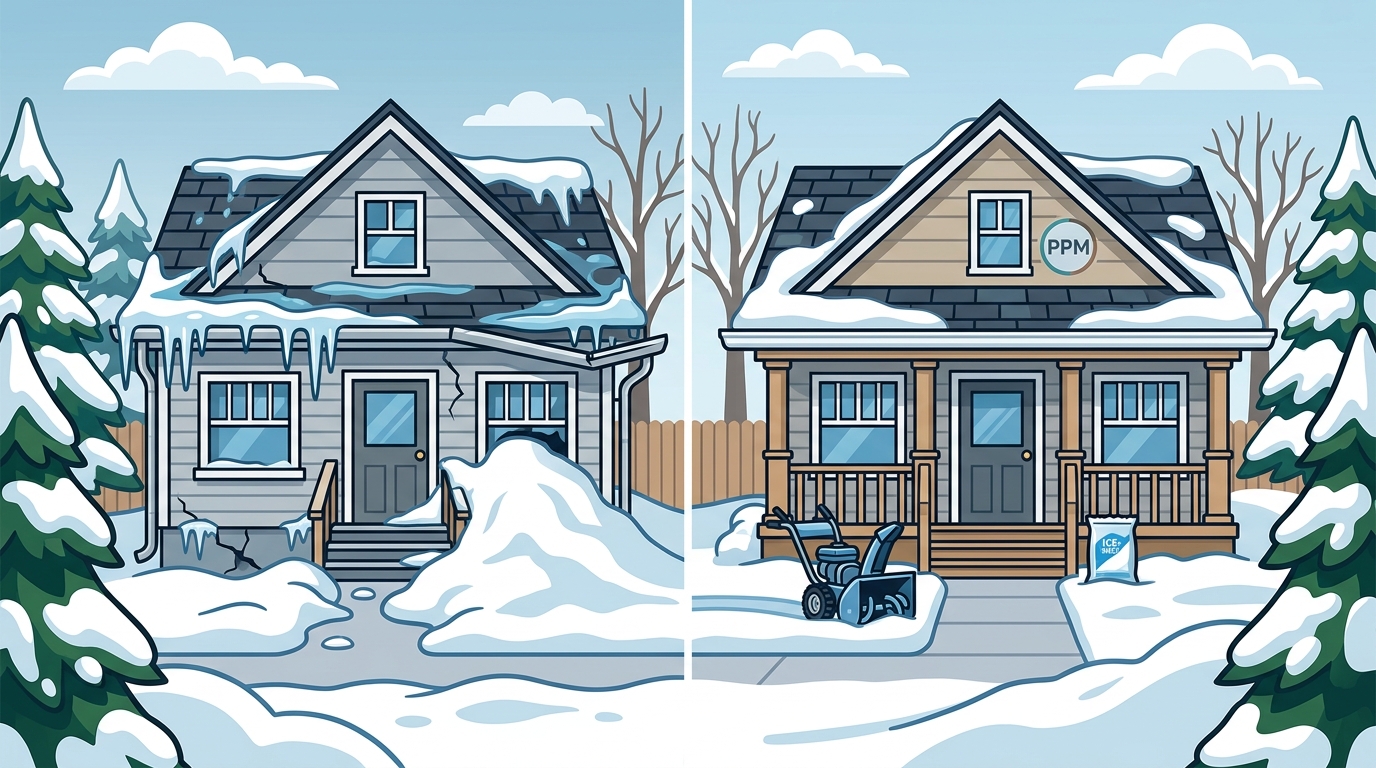
Clogged gutters are a primary cause of ice dams. When gutters are filled with leaves and debris, water cannot drain. It freezes at the edge of the roof, creating a dam. Subsequent snow melt backs up under the shingles, leaking into the attic and walls. This damage is often hidden for weeks, leading to extensive rot and mold.
Prevention Strategy: Clean gutters thoroughly in the fall before the first snow. Install gutter guards to reduce debris accumulation. Ensure attic insulation is sufficient to prevent heat loss that melts snow on the roof. Proper ventilation is key to keeping the roof temperature uniform. For a comprehensive look at seasonal maintenance, read our seasonal maintenance checklist.
Poor Tenant Communication Protocols
Many maintenance issues start small but become disasters due to delayed reporting. Tenants often hesitate to call landlords for minor leaks or drafts, fearing they will be seen as difficult. If the landlord does not have a clear, easy-to-use reporting system, these issues go unreported until they are catastrophic.
Prevention Strategy: Establish a clear, digital maintenance request portal. Educate tenants on the importance of reporting minor issues immediately. Provide emergency contact information clearly in the lease agreement. Regular property inspections, with proper notice, allow you to catch issues before tenants even notice them. Effective communication is the first line of defense against costly repairs.
Maintenance Priority Matrix
The following table outlines the critical maintenance tasks for Wisconsin rentals, their frequency, and the potential cost of neglect.
| Maintenance Task | Frequency | Cost of Neglect | Primary Risk |
|---|---|---|---|
| Pipe Insulation | Annually (Pre-Winter) | $5,000 - $50,000+ | Burst Pipes |
| Gutter Cleaning | Twice Yearly | $2,000 - $10,000 | Ice Dams & Leaks |
| HVAC Service | Annually | $3,000 - $8,000 | System Failure |
| Foundation Inspection | Annually | $10,000+ | Structural Damage |
| Roof Inspection | Annually | $5,000 - $20,000 | Water Intrusion |
Key Takeaways
- Winterization is Non-Negotiable: Frozen pipes are the number one cause of catastrophic damage in Wisconsin rentals.
- Roof Load Matters: Heavy snow can exceed structural limits; regular monitoring is essential.
- Foundation Integrity: Freeze-thaw cycles widen cracks; proactive sealing prevents basement flooding.
- HVAC Efficiency: Regular tune-ups prevent emergency failures during peak demand.
- Gutter Health: Clean gutters prevent ice dams, which are a primary source of roof leaks.
- Tenant Engagement: Clear communication channels ensure early reporting of minor issues.
- Professional Oversight: Expert property management identifies risks before they become costs.
Frequently Asked Questions
How often should I inspect my Wisconsin rental property?
Professional inspections should occur at least twice a year, ideally in the spring and fall. Winter inspections are also recommended to check for snow load issues and heating system performance.
What is the best way to prevent frozen pipes?
The most effective method is insulating all exposed pipes in unheated areas and maintaining a consistent minimum heat level in the property during cold snaps.
Do I need to clear snow from my rental roof?
While not always mandatory, clearing snow from the roof edges can prevent ice dams. However, this should be done safely by professionals to avoid injury or roof damage.
How do ice dams form?
Ice dams form when heat escapes the attic, melting snow on the roof. The water runs down to the colder eaves, freezes, and backs up under the shingles.
Why is foundation sealing important in Wisconsin?
Wisconsin's freeze-thaw cycles expand cracks in concrete. Sealing these cracks prevents water intrusion, which can lead to structural damage and mold growth.
What should I do if a tenant reports a leak?
Address the report immediately. Delaying repairs can lead to mold growth and structural damage, increasing liability and repair costs significantly.
Can I manage my property myself in Wisconsin?
While possible, self-management requires deep knowledge of local weather patterns, building codes, and tenant laws. Professional management ensures compliance and proactive maintenance.
Protect Your Investment with Platinum Properties
Wisconsin's climate demands a proactive approach to property maintenance. The mistakes outlined above are common, but they are entirely preventable with the right systems and expertise. Platinum Properties specializes in navigating the complexities of Wisconsin real estate, ensuring your rental assets remain profitable and safe. We provide comprehensive maintenance oversight, tenant management, and strategic planning tailored to the local market. Contact Platinum Properties today to schedule a consultation and secure your property's future.