
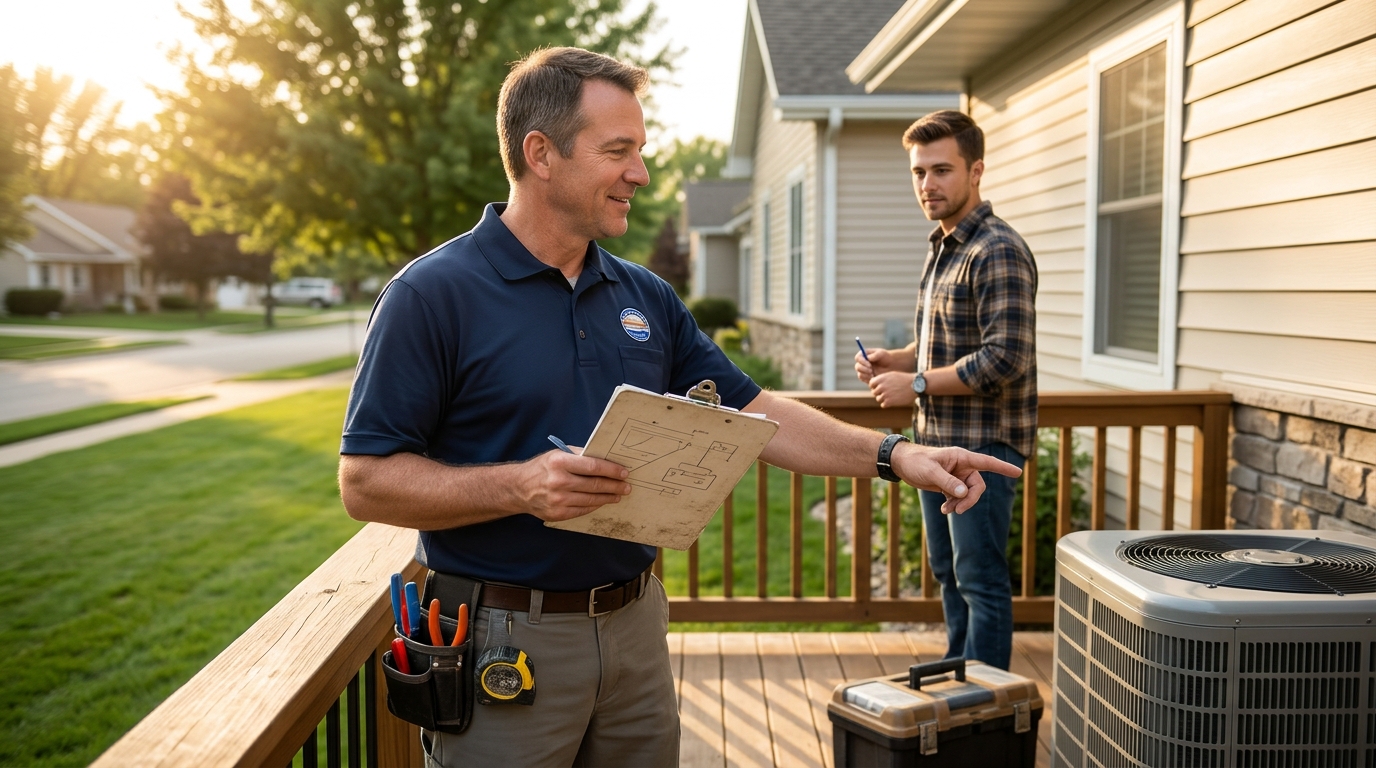
First-time rental owners should establish a clear maintenance protocol immediately to protect their investment and ensure tenant satisfaction. This involves defining who handles repairs, setting response time expectations, and creating a budget for unexpected issues. Platinum Property Management recommends that new landlords in Wisconsin prioritize proactive care over reactive fixes to preserve property value and reduce long-term costs.
Defining Maintenance Responsibilities
Maintenance coordination is the systematic process of managing repair requests, vendor scheduling, and quality control for a rental property. For first-time owners, the most critical decision is whether to self-manage or hire a professional team. Self-management offers cost savings but requires significant time and local vendor relationships. Professional management provides a dedicated team that handles all aspects of property care, from minor fixes to major emergencies.
In Wisconsin, the climate adds a layer of complexity to maintenance. Seasonal changes demand specific attention to heating, cooling, and exterior elements. Owners must decide if they have the expertise to handle these seasonal transitions or if they need a licensed general contractor on their side. A clear division of labor between the owner, the property manager, and the tenants is essential to avoid confusion and liability issues.
Budgeting for Repairs and Capital Expenditures
Capital expenditure is a term used to describe significant, long-term investments in a property, such as replacing a roof or updating a heating system. First-time owners often underestimate these costs, leading to cash flow problems when major repairs are needed. A common rule of thumb is to set aside 1% to 2% of the property's value annually for major repairs and replacements.
Platinum Property Management advises owners to create a separate maintenance fund distinct from operating expenses. This ensures that when a furnace fails in the middle of a Wisconsin winter, the funds are available without disrupting other financial obligations. By planning for these costs upfront, owners can avoid the stress of emergency financing and maintain a stable cash flow. This financial discipline is a hallmark of successful long-term rental investment.
Managing Emergency Response and Communication
Emergency maintenance is any repair that threatens the safety or habitability of the property, such as a gas leak, water damage, or lack of heat. These situations require immediate action and clear communication channels. Tenants need to know exactly how to report an emergency and what to expect in terms of response time. Landlords must have a 24/7 plan in place to address these critical issues.
Effective communication is the backbone of good maintenance management. Owners should provide tenants with a written guide that outlines non-emergency vs. emergency procedures. This reduces unnecessary calls and ensures that true emergencies are prioritized. For owners who are not local, a professional management company can serve as the primary point of contact, providing tenants with a reliable number to call at any hour. This level of responsiveness is crucial for maintaining tenant retention and positive reviews.
Seasonal Maintenance in Wisconsin
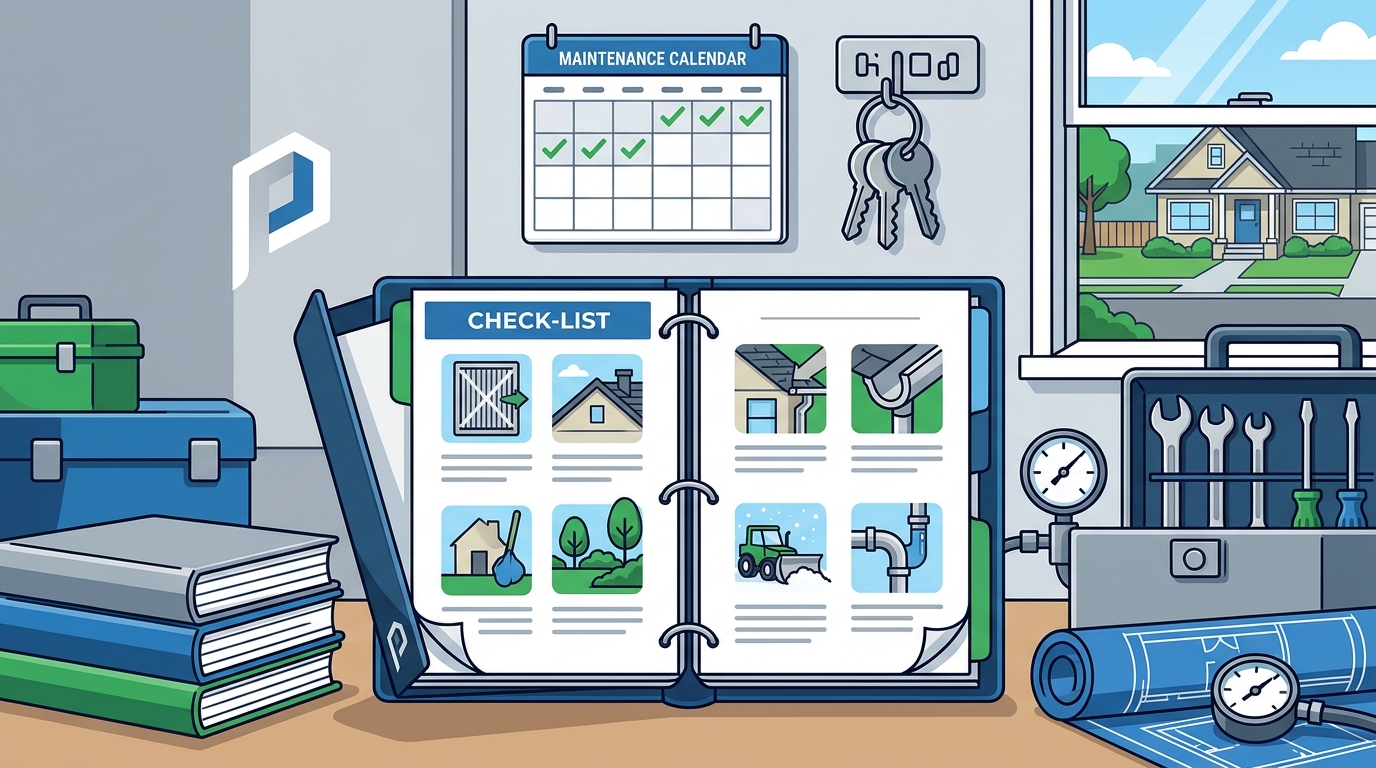
Wisconsin's distinct seasons require a proactive approach to property care. Seasonal maintenance is the practice of performing specific tasks at regular intervals to prevent damage from weather changes. In the fall, this includes cleaning gutters, inspecting the roof, and ensuring the heating system is ready for cold weather. In the spring, it involves checking for winter damage, servicing the air conditioning, and preparing the lawn.
Platinum Property Management's in-house team handles these seasonal tasks for their clients, ensuring that no critical step is missed. For first-time owners, creating a seasonal checklist is a simple but effective way to stay on top of these requirements. By addressing minor issues before they become major problems, owners can extend the life of their property's systems and components. This proactive strategy is particularly important in Central Wisconsin, where temperature swings can be severe.
Building a Reliable Vendor Network
Vendor management is the process of selecting, vetting, and maintaining relationships with the contractors and service providers who perform repairs on your property. For first-time owners, building this network is one of the most time-consuming aspects of self-management. It involves researching local contractors, obtaining quotes, and verifying licenses and insurance. A reliable vendor network ensures that repairs are done correctly and on time.
When working with a property management company, this burden is lifted. Platinum Property Management maintains a network of trusted, licensed contractors across Central Wisconsin. This allows for faster response times and higher quality work, as the relationships are already established. For owners who choose to self-manage, it is important to document all interactions with vendors and keep records of all work performed. This documentation is valuable for tax purposes and for understanding the long-term maintenance history of the property.
Key Takeaways
- Define clear maintenance responsibilities between the owner, manager, and tenants to avoid confusion.
- Set aside 1% to 2% of the property's value annually for capital expenditures and major repairs.
- Establish a 24/7 emergency response plan with clear communication channels for tenants.
- Create a seasonal maintenance checklist tailored to Wisconsin's climate to prevent weather-related damage.
- Build a reliable network of licensed and insured local contractors for consistent quality work.
- Consider hiring a professional property management company to handle maintenance coordination and vendor management.
Frequently Asked Questions
How much should I budget for maintenance on a rental property?
A general guideline is to budget 1% to 2% of the property's purchase price or current market value annually for maintenance and capital expenditures. This amount should be set aside in a dedicated fund to cover unexpected repairs and major replacements.
Who is responsible for minor repairs in a rental property?
Responsibility for minor repairs depends on the lease agreement and local laws. Typically, tenants are responsible for damage they cause, while landlords are responsible for maintaining the property in a habitable condition. It is important to clearly define these responsibilities in the lease.
How quickly should a landlord respond to a maintenance request?
Response times vary depending on the urgency of the issue. Non-emergency requests should be addressed within a few days, while emergencies, such as a lack of heat or water leak, require immediate action. Establishing clear response time expectations with tenants helps manage their expectations.
Should I handle maintenance myself or hire a property manager?
The decision depends on your time, location, and expertise. If you are local and have the skills to manage repairs, self-management may be viable. However, if you are an out-of-state investor or lack the time, hiring a professional property manager can save you stress and ensure that maintenance is handled professionally.
What are the most common maintenance issues in Wisconsin rentals?
Common issues in Wisconsin include heating system failures, water damage from ice dams, and plumbing problems due to freezing temperatures. Proactive seasonal maintenance is key to preventing these issues.
How can I find reliable contractors for my rental property?
Research local contractors, check their licenses and insurance, and read reviews from other clients. You can also ask for recommendations from other property owners or real estate professionals. Building relationships with a few trusted vendors can make the process smoother.
Conclusion
Handling ongoing maintenance and repairs is a critical aspect of successful rental property ownership. By establishing clear responsibilities, budgeting for capital expenditures, and creating a seasonal maintenance plan, first-time owners can protect their investment and ensure tenant satisfaction. For those who prefer a hands-off approach, partnering with a professional team like Platinum Property Management provides the expertise and resources needed to manage maintenance effectively. Whether you choose to self-manage or hire a professional, a proactive approach to maintenance will pay dividends in the long run.