
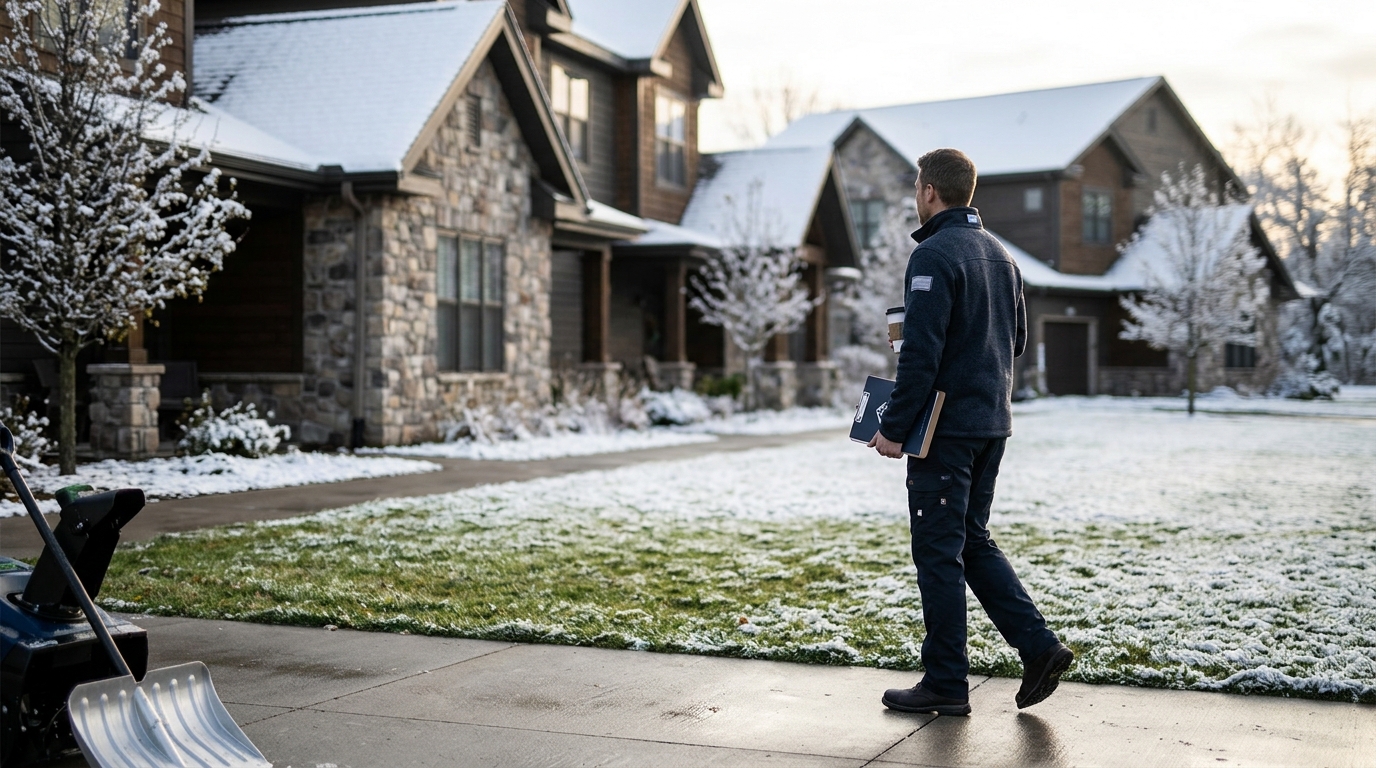
Wisconsin rental property owners often face unpredictable seasonal expenses for snow removal and lawn care. These costs fluctuate based on weather patterns, property size, and local labor availability. Understanding these variables helps landlords budget accurately and avoid surprise invoices during peak seasons. For additional details, review the Contact Us Platinum Property.
1. Property Size and Layout
Cost scales directly with the square footage of driveways, sidewalks, and lawns. Larger properties require more time and fuel to clear snow or mow grass. Complex layouts with multiple entrances or winding paths increase the time needed for thorough service.
2. Snowfall Depth and Frequency
Heavy or frequent snowfall drives up plowing and shoveling expenses. Wisconsin winters can bring rapid accumulation that requires multiple passes to clear. Deep snow often necessitates heavier equipment, which costs more to operate and maintain.
3. Lawn Season Length
The number of mowing cycles per year determines the total lawn care price. A longer growing season means more visits, increasing the overall annual cost. Weather patterns that extend the green season can add unexpected mowing appointments.
4. Property Accessibility
Difficult access routes increase labor time and equipment wear. Narrow driveways or steep slopes require slower, more careful work. Properties that are hard to reach may incur higher fees due to the extra effort involved.
5. Equipment and Labor Type
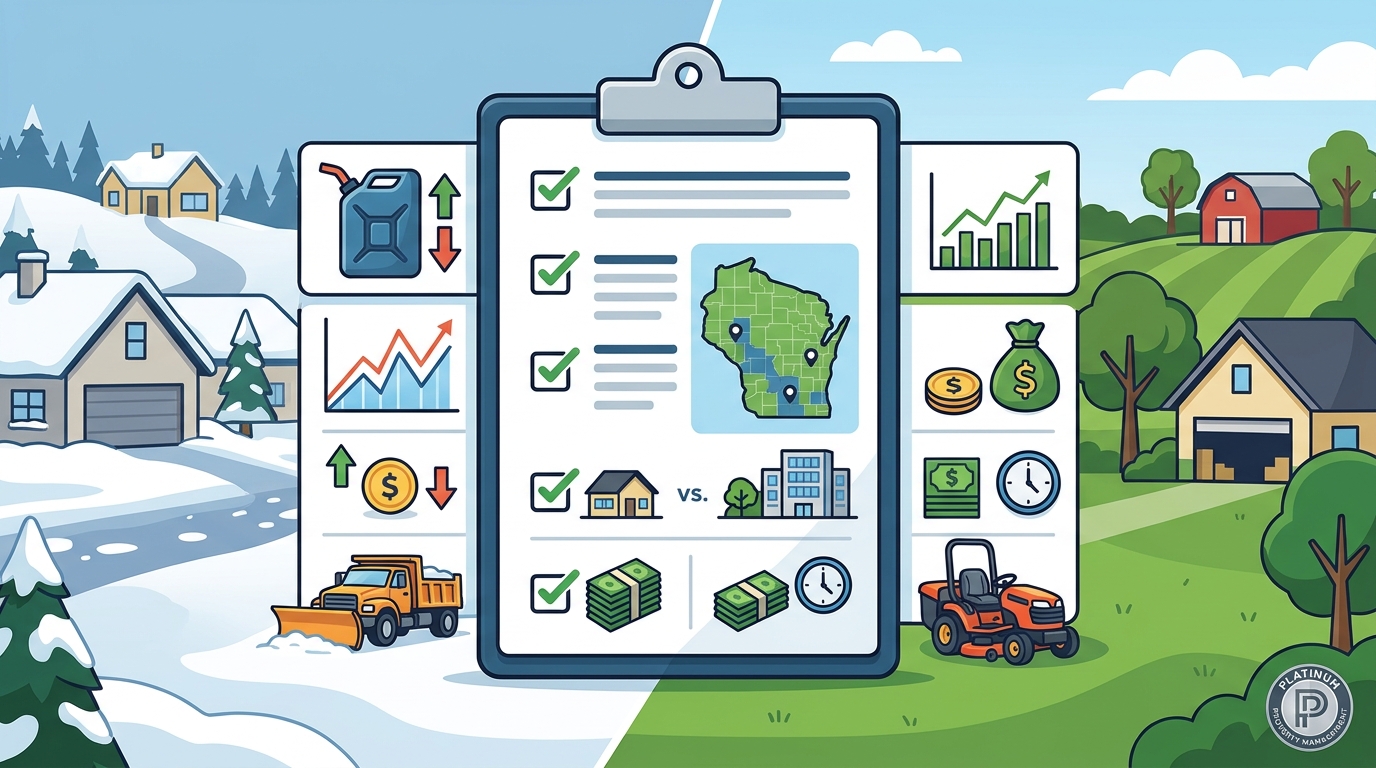
Using specialized machinery or skilled labor raises the hourly rate. Snow blowers and commercial mowers are expensive to operate. Hiring a licensed general contractor or specialized crew often costs more than basic manual labor.
6. Contract Terms and Frequency
Long-term contracts with guaranteed frequency usually offer lower per-visit rates. Seasonal agreements provide stability for both the provider and the landlord. Flexible on-demand services typically carry a premium for immediate availability.
7. Insurance and Liability
Comprehensive insurance coverage adds to the service price. Providers must carry liability and workers' compensation insurance to protect against accidents. This cost is factored into the quote to ensure full legal compliance and safety.
8. Geographic Location
Urban areas often have higher labor costs than rural regions. Local wage rates and competition among service providers influence pricing. Properties in high-demand cities may pay more for the same service compared to rural locations.
9. Seasonal Demand Spikes
Peak season demand allows providers to charge premium rates. During heavy snow events or the start of the mowing season, availability drops and prices rise. Scheduling services during off-peak times can sometimes reduce costs.
10. Maintenance History
Poorly maintained properties require more extensive work and higher costs. Overgrown lawns or neglected snow piles take longer to clear. Regular maintenance keeps properties in good condition, reducing the time and cost of each service visit.
Choosing the Right Service Provider
Select a provider that offers transparent pricing and comprehensive coverage. Look for companies that handle both snow and lawn care to simplify vendor management. Platinum Property Management offers integrated seasonal services for Wisconsin landlords, ensuring consistent quality and reliable communication throughout the year.
Frequently Asked Questions
How much does snow removal cost for a rental property in Wisconsin?
Costs vary by property size and snowfall depth. Typical ranges depend on local labor rates and equipment used.
What is the best time to sign a lawn care contract?
Signing in late winter or early spring often secures the best rates before peak demand begins.
Do property management companies handle seasonal maintenance?
Yes, full-service managers like Platinum Property Management coordinate snow and lawn care as part of their portfolio management.
How does property size affect the price?
Larger properties require more time and fuel, directly increasing the total cost of service.
Is it cheaper to bundle snow and lawn services?
Bundling services with one provider often reduces administrative overhead and may offer better seasonal rates.How do I budget for unexpected weather events?
Include a contingency fund in your annual budget to cover extra visits during severe weather.